
If you’re asking yourself whether you might be pregnant, you are not alone. Many women feel slight changes in their bodies days or even weeks before their period is missed, while others have no early symptoms whatsoever.
Symptoms of pregnancy can differ widely from person to person and even from pregnancy to pregnancy in the same person. Some symptoms, such as tender breasts or fatigue, can be similar to normal premenstrual symptoms, so it’s hard to be sure from symptoms alone.
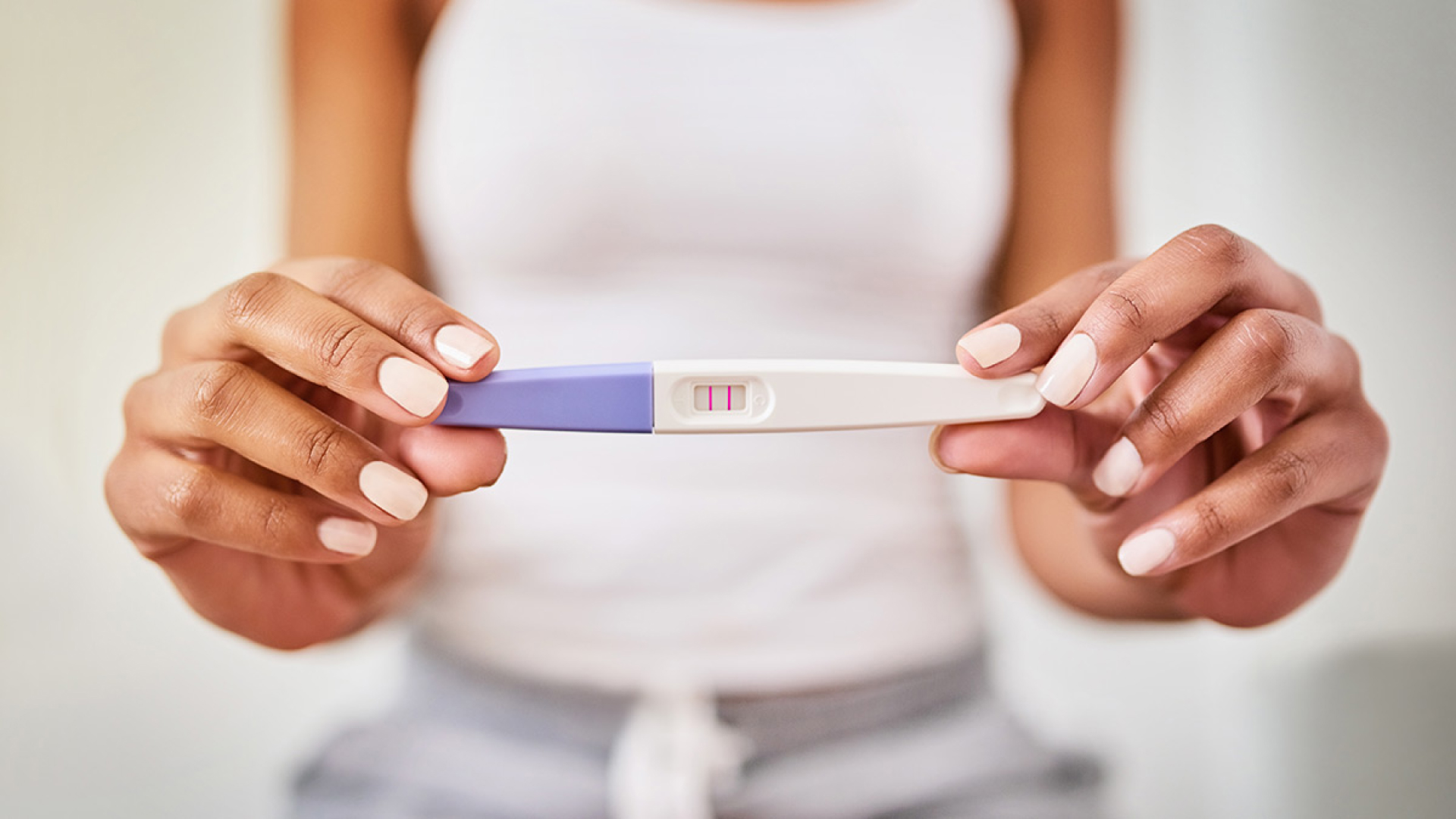
The most accurate way to confirm pregnancy is with a home pregnancy test, then confirm and seek guidance from a healthcare professional. This article explains the earliest signs of pregnancy, when they usually start, when to test, and when to talk with a healthcare professional.
What Are the Earliest Signs of Pregnancy?
There are three main drivers of early pregnancy symptoms: implantation, hormonal changes, and your cycle.
Implantation is when a fertilised egg attaches to the lining of the uterus, and this usually occurs around 6 to 12 days after ovulation. This is often the first physical event of pregnancy, and for some women it causes mild cramping or light spotting.
Hormonal changes happen soon after implantation. The body begins to produce human chorionic gonadotropin (hCG) — the hormone detected by pregnancy tests — along with rising levels of progesterone and oestrogen. These hormonal shifts are responsible for many of the classic early symptoms: fatigue, breast tenderness, nausea, and mood changes among them.
Symptom timing differs from person to person. Some women notice changes within a week of conception, so it’s entirely possible to feel pregnancy symptoms week 1, while others don’t notice anything unusual until after a missed period, or not at all. Timing is no guarantee that pregnancy has occurred, and the symptoms of early pregnancy can be mild and easily confused with premenstrual symptoms.
Common Early Pregnancy Symptoms
Missed Period
The most obvious early sign of pregnancy is usually a missed period, but this is most obvious if you have regular periods. Rising progesterone levels mean the uterine lining is maintained instead of shed, hence the missed period. That said, a late or missed period can be caused by stress, illness, changes in weight, or hormonal conditions that have nothing to do with pregnancy.
Tender or Swollen Breasts
Breasts may feel more tender, heavy, or sensitive than usual. This is due to hormonal changes, and usually happens within one to two weeks after conception. Some women report that the areolas have darkened.
Fatigue
A sharp rise in progesterone can cause noticeable tiredness, sometimes as early as the first week or two after conception. This fatigue is often more pronounced than typical premenstrual tiredness.
Nausea or Morning Sickness
Despite the name, pregnancy-related nausea can strike at any time of day. It typically begins around week 4 to 6 of pregnancy, though some women experience it earlier or not at all.
Frequent Urination
As hCG levels rise and blood flow to the pelvic area increases, many women notice they need to urinate more often, even before other symptoms appear.
Mild Cramping
Light, period-like cramping can occur around the time of implantation, which is often mistaken for a sign that a period is about to start.
Light Spotting (Implantation Bleeding)
Some women experience light spotting when the fertilised egg implants in the uterine lining. This bleeding is usually much lighter and shorter than a regular period.
Food Cravings or Food Aversions
Sudden cravings for specific foods, or a strong aversion to foods and smells that were previously fine, are commonly reported in early pregnancy.
Mood Changes
Hormonal fluctuations can contribute to irritability, tearfulness, or general emotional sensitivity, similar to premenstrual mood changes but sometimes more intense.
Headaches
Increased blood volume and hormonal shifts can trigger mild to moderate headaches in the early weeks.
Bloating
Progesterone can slow digestion, leading to a bloated or “puffy” feeling that is often mistaken for a pre-period symptom.
Increased Sense of Smell
Many women report a heightened sensitivity to smells early in pregnancy, which can also trigger nausea.
Can You Have Pregnancy Symptoms Before a Missed Period?
Yes — some women will be experiencing symptoms like fatigue, breast tenderness, or mild cramping in the days before their period, because implantation and the hormonal changes that follow can occur before your period is due.
However, many women do not notice any symptoms this early. It’s entirely normal to feel nothing out of the ordinary until after a missed period, or even later.
Everyone is different. Symptom type, timing, and intensity vary from person to person and pregnancy to pregnancy, so the absence of early symptoms doesn’t rule pregnancy out, and the presence of symptoms doesn’t confirm it either. A pregnancy test remains the only reliable way to know.
When Should You Take a Pregnancy Test?
The best time to test is after you have missed your period. Home pregnancy tests work by detecting hCG in urine, and levels are likely to be high enough for a good result when your period is late. Testing with first morning urine can help improve accuracy, especially if you are testing early, as hCG is most concentrated after a full night without urinating.
If you test before your period is due, or if a home test result is unclear, a blood test arranged through a healthcare provider can detect hCG earlier and more precisely, and can also help estimate how far along a pregnancy is.
Early testing, diluted urine, or incorrect use of a test may also increase the likelihood of false negatives. If you test negative and think you might be pregnant, it’s worth trying again in a few days or talking to a healthcare professional.
When Should You See a Healthcare Professional?
You should arrange to see a healthcare professional if:
- You’ve had a positive pregnancy test — to confirm the pregnancy, discuss dating, and talk through next steps.
- You experience severe abdominal pain, particularly if it’s one-sided or sharp, as this can occasionally signal a complication requiring urgent attention.
- You have heavy bleeding, especially if it’s heavier than a normal period or accompanied by pain.
- You’re experiencing uncertain symptoms and aren’t sure whether they’re related to pregnancy, your cycle, or something else entirely.
A healthcare professional can offer an accurate assessment and personalised advice, rather than relying on symptoms alone. If you’re looking for pregnancy symptoms South Africa guidance, our clinicians can confirm a pregnancy and talk you through your options and local care pathways.
What If Your Pregnancy Was Unplanned?
Finding out that you’re pregnant when it wasn’t planned can bring up a lot of different emotions — shock, worry, relief, or a mix of all three. However you’re feeling, it’s a valid reaction, and you don’t have to work out what to do on your own.
A healthcare professional can talk you through all of the options available to you, without judgement. This might involve choosing to continue the pregnancy and preparing for parenthood, exploring adoption, or accessing abortion care where it is legal.
Each option has different considerations, and the right decision is one that is personal to you, taking into account your circumstances, values, and support system. If you would like to talk through your options confidentially, our team can walk you through what is available and help you determine the best next step for you.
Conclusion
Early pregnancy symptoms — from a missed period to fatigue, nausea, and breast tenderness — vary enormously from person to person, and some women notice changes before their period is even due, while others notice nothing at all. Because these symptoms can overlap with premenstrual changes or stress, a home pregnancy test remains the most reliable way to confirm pregnancy, ideally taken after a missed period for the most accurate result. Whatever your result, or however you’re feeling about it, speaking with a healthcare professional can help you understand your options and get the personalised care and guidance you need.
